
Your back garden could be more than your green space – it might change your life. Ask HK Architecture’s team to help you assess your garden’s potential.
Small house, growing family, plenty of outdoor space?
You could build a home office, a workshop or a play room in your garden. Or you could build an extension to the rear or side of your property. All these options can be more cost-effective than moving house.
But if you have a pretty substantial garden, you might be sitting on a little gold mine. There could be space for another house…
You could sell off part of your garden to a property developer, or build a new house on the site yourself.
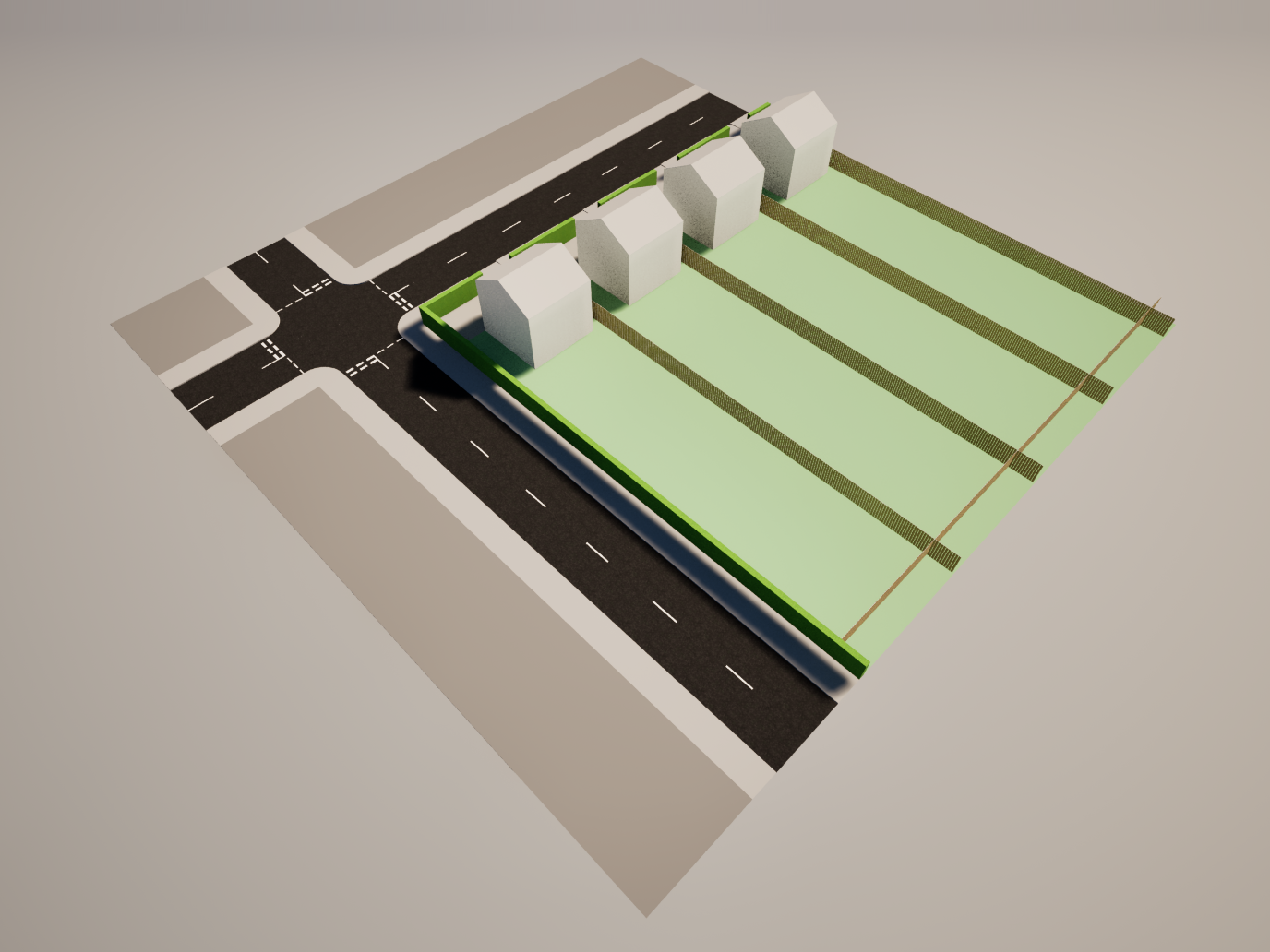
Key questions:
What can I build and where?
Do I need permission?
How difficult will it be?
How much will it cost?
There are of course provisos…
In general, it is simpler to build an outbuilding or develop a new house in a rear garden.
Front-facing gardens are a little trickier and do present issues, but are certainly not impossible.
It’s more straightforward if your property is in a built-up area. If you are in, or near, Green Belt this can complicate matters.
Other things to be aware of include whether the existing house is listed and/or within a Conservation Area.
Having said that, we have recently gained permission to erect a new house on a garden of a listed building and within a Conservation Area. Read about it in this article on our Blog: HK ARCHITECTURE CLIENT WINS PLANNING APPEAL FOR DERBYSHIRE SITE WITHIN CURTILAGE OF A LISTED BUILDING
Our success for this happy client proves that gaining planners’ permission is possible when you work with them and are able to find compromises. The build commenced in autumn 2025 and is progressing well.
Home extensions:
There are restrictions on size, but usually, single storey extensions to create spaces for general household use are classed as what is called ‘permitted development’. This means you don’t have to apply for planning permission from your local council, as long as the house isn’t within designated land such as Conservation Areas, is a listed building or within the curtilage of one.
In addition you have to consider and respect your neighbour’s ‘right to light’.
Permitted development allows you to build out from a semi detached property by up to three metres, or four metres for detached properties.
If you’re aiming for a two storey extension, or a side extension which goes beyond the line of the existing side of the house, then planning permission is needed.
All extensions to the front of a property – even a simple porch – will require planning approval.
Loft conversions are permitted development in non designated land but can’t exceed 40 cubic metres for terraced houses or 50 cubic metres for semi-detached and detached houses and there are other restrictions to consider, such as the height of dormers and balconies.
To explore your options, the best starting point is Planningportal.co.uk This is the official online home for planning and building regulations in England and Wales. It is easy to navigate and is written in a straightforward way.
Outbuildings:
An outbuilding is a separate structure in your garden – such as a garden room, a home office or workshop.
New, single storey stand-alone outbuildings of a permitted size are classed as permitted development, as long as they are not used as bedrooms. But factors like their position in relation to neighbouring houses – for example if they are close to, or block light or access from the houses next-door – would mean your scheme would have to be more carefully thought out and planning permission would have to be applied for.
Maximising potential – could your garden be suitable for building another house?:
The first step? Find out if the site is suitable.
It’s complicated. There are many factors which have to be taken into account.
Basically, the existing house and the new house need to be able to exist independently -i.e. With independent energy and water supply and drainage systems. And it is key that they each have their own right of way, access routes and parking.
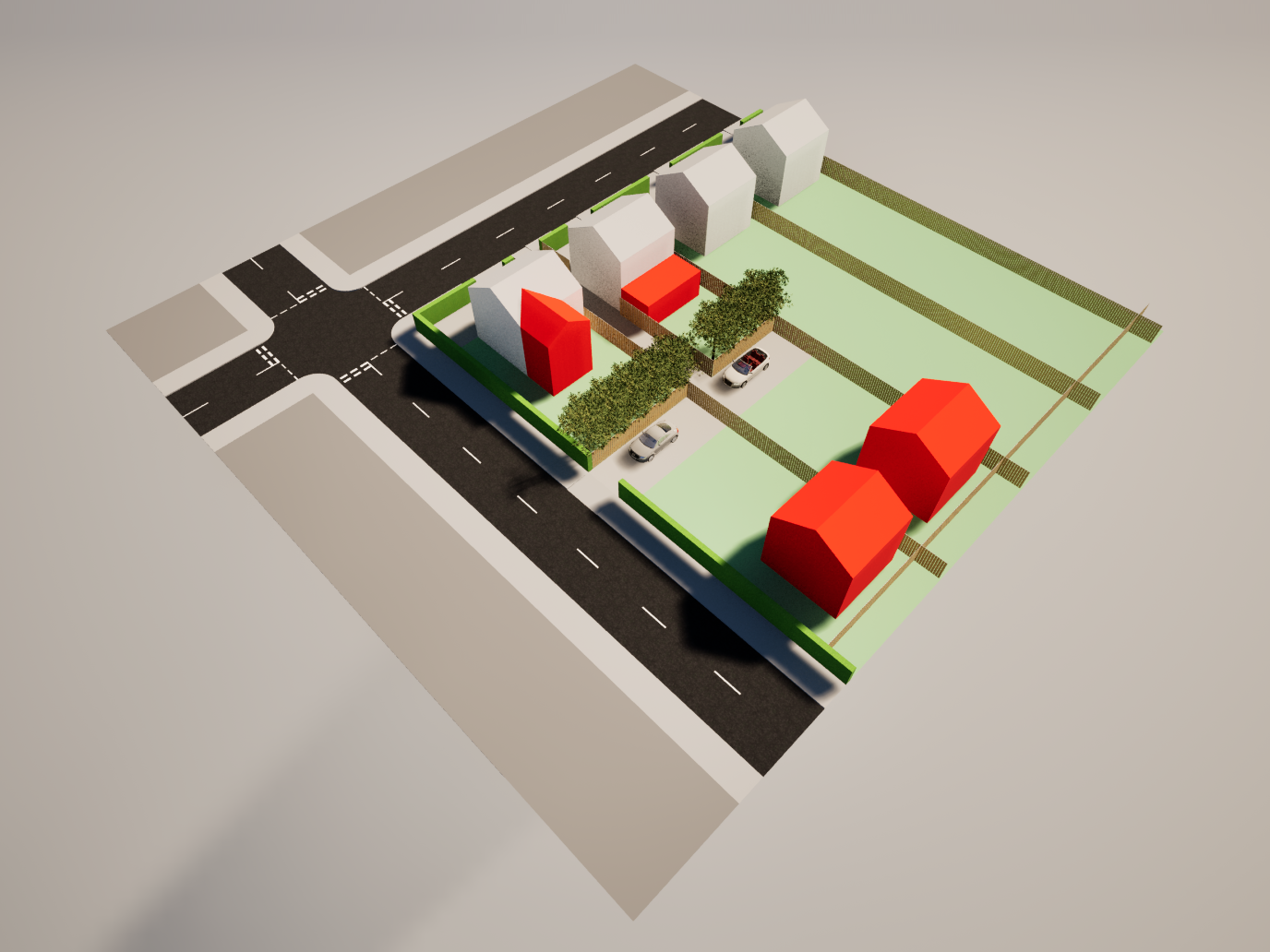
How to find out:
Ask an architect to visit. At HK Architecture, that initial visit and advice is free. We give you an informed opinion, based on our years of experience in dealing with housing developments of all sizes.
If it’s a provisional yes from us…
Engage us and we will work on a Fee Proposal, which will include costings for creating a concept design exploring the site’s potential, two to three design options and time needed for us to liaise with an estate agent to get an approximate end-valuation if it is needed.
This is always important if you are exploring the possibility of developing a new property in your garden.
This may help you decide if you are aiming to sell part of your garden with planning permission for a house in place (which increases your plot’s value), or build the house yourself.
The second option gives you control over what is being built and the effect on your own property, plus a greater profit. But you would have to find the funds for the build and factor into your financial commitments a longer wait to see a return on your investment.
Our Fee Proposal will explain:
What council planners would be likely to approve or refuse.
Our professional opinion on the best use of your site.
It will highlight any risks your proposal may involve – such as the refusal of planning permission, or issues with the site which could result in high build costs.
- Remember: a refusal doesn’t necessarily mean the end of the road. HKA have been involved in securing permissions for numerous projects which were refused, or looked to be heading towards refusal.
The cost of gaining pre-planning advice from the planners varies widely. Fees are not set nationally; each Local Planning Authority determines its own charges.
Also, the size of your development, and whether you need written advice, meetings, or specialist reviews, will be reflected in the fee.
Expected costs typically fall into these tiers:
- Householder (e.g., small extensions, outbuildings): £100 to £250+ (often written-only, though some councils include a short meeting).
- Minor Developments (e.g. a few new homes, smaller commercial projects): £300 to £600+.
- Major Developments (e.g. 10+ homes, large commercial space): £1,000 to £10,000+.
Next Steps…
We prepare and submit a pre-application to the local authority. This gives the council’s planners an outline of your proposal and asks for their advice and opinion on whether they would be likely to grant permission.
A pre-application is a relatively inexpensive way of finding out what your chances are.
It normally takes council planners six weeks to respond.
Costs:
HKA’s fee for a pre-planning application depends on the size of project and how much work is involved. But here’s a guide:.
Small extension: circa £500 (includes a light-touch survey)
Large extension: single storey £500 -£750(with a light-touch survey); two storey £750-£1,000 (includes a more detailed survey).
If the advice is that you planning application would be refused:
The pre-application verdict is not publicly recorded and doesn’t affect the value of your existing property and land.
You can walk away from the idea, or you can amend the scheme with your architect, making changes that take onboard the planners’ advice and opinions you feel comfortable with. You can decide to submit another pre-planning application or a full application.
If the advice is more positive:
The next step is to spend time reviewing the council’s response with your architect, and working together to develop the concept into a design. The architect’s costs would depend on the size and complexity of the project.
Wildlife surveys and drainage surveys along with Heritage Impact assessments may be needed.
You may need specialist legal advice on how to sub-divide the plot. There may need to be restrictive covenants in place If you are staying in your home, e.g. to limit further development or other activities on the land you are selling or developing.
Once your planning documentation and drawings are complete, everything can be submitted to the local authority. Our fees depend on the size of the intended development. There is also a £700 (per house) local authority planning fee, which is paid on the Planning Portal where we submit your application.
Once your application has been approved, you should consult as solicitor to legally sub-divide the land, change your house deeds and set up covenants which would protect your existing property and its occupants.

